Global Left Midweek - Focus on Latin America
Portside
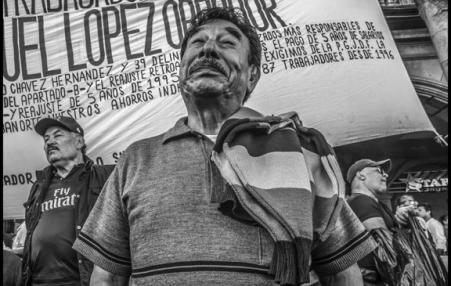
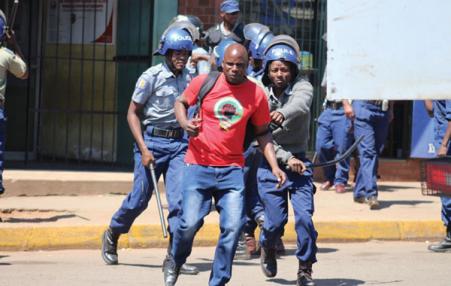
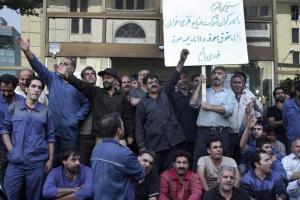
During Iran’s post-revolution reform era (1997-2005), a new wave of trade unionism began in the country. However, this spring of unionism quickly turned to winter, and most union leaders were arrested when President Mahmoud Ahmadinejad came to power in 2005. Nowadays, any attempts by workers to organise strikes are met with severe repercussions by security agents. Nonetheless union resistance is growing.
Since 16 March, over 100,000 workers across India have participated in work stoppages after a court sentenced 13 unionists to life imprisonment. The charges stem from deadly clashes that took place at the at the Maruti Suzuki India Limited auto plant in 2012 after management refused to recognize a union formed in a bid to end the mass casualisation of jobs and improve working conditions. India's auto industry is one of the world's largest.
Based on research during and immediately following World War 2, this pathbreaking book analyzed the proclivities individuals might have toward support for authoritarian regimes, stressing preconceived attitudes on race, class, sexuality and nationalism, concluding that fascism’s attraction came not (or not just) from political agreement but from a personality structured by larger, repressive social forces in which sociological influences upon ideology are mediated.
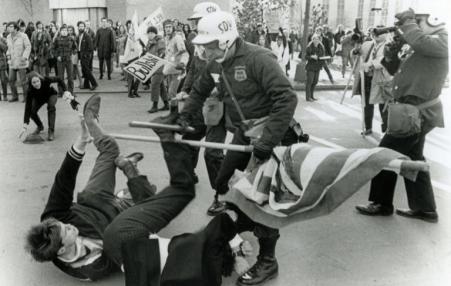
Trump’s three executive orders on policing, the large number of state legislatures dominated by Republicans, the pro-policing and pro-business attitude of the current administration, and the constant and growing spontaneous demonstrations protesting Trump all combine to produce an atmosphere in which many powerful interests have a stake in suppressing mass dissent.
Spread the word