
Tidbits - August 21, 2014
Portside
 Reader Comments - We need a special prosecutor ((Cornell William Brooks, NAACP); Ferguson, Racism, Economic Inequality, Michael Brown, Police Militarization; Racism and Misuse of Genetics; Rosetta Comet; Jewish Resources for Resisting Nationalism; Robin Williams; Israel, Gaza and Hamas;
NFL's New Low - Asks Performers to Pay to Play at Super Bowl;
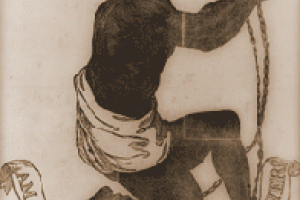
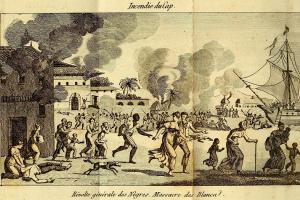
Today in History - Nat Turner's Rebellion; Tomorrow - Fannie Lou Hamer & the Mississippi Freedom Democratic Party
Reader Comments - We need a special prosecutor ((Cornell William Brooks, NAACP); Ferguson, Racism, Economic Inequality, Michael Brown, Police Militarization; Racism and Misuse of Genetics; Rosetta Comet; Jewish Resources for Resisting Nationalism; Robin Williams; Israel, Gaza and Hamas;
NFL's New Low - Asks Performers to Pay to Play at Super Bowl;
Today in History - Nat Turner's Rebellion; Tomorrow - Fannie Lou Hamer & the Mississippi Freedom Democratic Party





Spread the word