German History and Trump's Enablers
History News Network
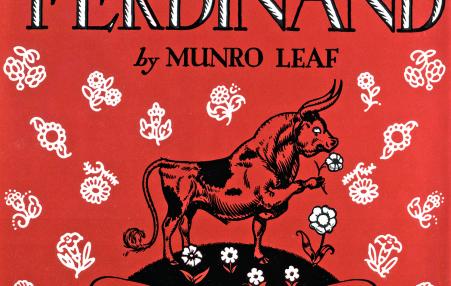
Published by Viking Press in 1936, the release of Ferdinand came during the era of the Great Depression. That year also saw the outbreak of the Spanish Civil War. In light of these events, Ferdinand started to take on a much greater significance. Ferdinand, the bull presented a Spanish character who stood out from society and refused to fight. Those who supported the violent uprising that was led by Francisco Franco viewed it as pacifist propaganda and they banned its publication.
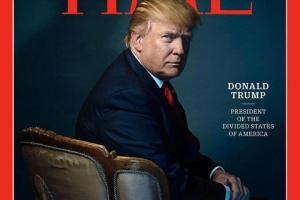
Time Magazine is clear on its sole criterion - 'the person who had the greatest influence, for better or worse, on the events of the year.' For clues as to how Time feels about that question - is it 'better or worse?' - we can look to the image chosen for the cover of the issue. Time's decisions regarding how to photograph Trump reveal a layered, nuanced field of references that place the image among the magazine's greatest covers.
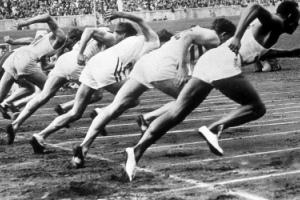
As the Olympic Games go, the reviewer says, it's time to ask the big question: which were the worst Olympics ever? David Goldblatt's The Games is a history of the tarnished Olympics, from Avery Brundage to, yes, London 2012. The evidence shows indisputably that it was Hitler's Berlin games of 1936, which set the stage for spectacle and nationalist-racialist sentiment.
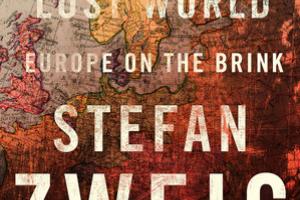
In the period between the world wars, Stefan Zweig was among the world's best-known authors. His books would soon fuel Nazi bonfires. Zweig held that humanity could no longer afford the belligerent nationalism that had led them into the Great War. Yet Zweig was struck dumb by post 1933 events. That failure, the reviewer says, was of imagination, not nerve. Against the Nazis' depredations, all the consummate writer and speaker could muster was nostalgia for a lost world.

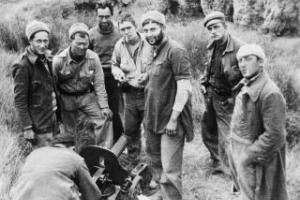
Based on personal stories of Abraham Lincoln Battalion survivors, Hochschild writes of their courage in an unequal contest where the Fascists had the unstinting support of German and Italian governments while the Democracies embargoed all arms to the Spanish government, an alliance of centrist and leftist parties-this while the Soviets worked to tamp down popular land and factory seizures for fear of inciting those capitalist Democracies to outrightly side with the Right
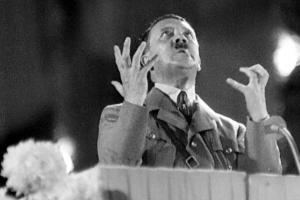
If left leaning activists are serious about their characterization of Trump as a fascist, then they better get serious about the problem of unity...For better or worse, this is not Germany 1932, nor is it Nixon vs Humphrey in 1968. 2016 is unique. There is a political crisis, but nothing like the end of the Weimar Republic. To begin with, it's a stretch to compare the 2016 race to Germany 1932.
Tyranny and Texas
Jessica Williams meets Texas residents tired of living under the jackboot of a democratically elected government.
Spread the word