Fear and Learning in Kabul

Kathy Kelly teleSUR
Physicians for Social Responsibility recently calculated that since 2001 in Iraq and Afghanistan, U.S. wars have killed at least 1.3 million and quite possibly more than 2 million civilians. Their report chides U.S. political elites for attributing on-going violence in Afghanistan and Iraq to various types of internecine conflicts as if the resurgence and brutality of such conflicts is unrelated to the destabilization caused by decades of military intervention.
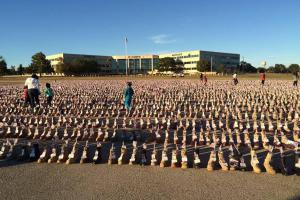
Wars in Afghanistan, Pakistan: 150,00 Dead and Getting Worse

Marisa Quinn Watson Institute/ Brown University
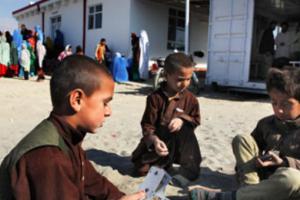
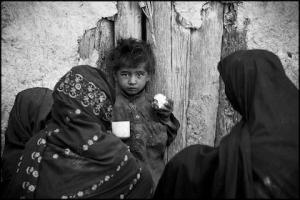
The wars in Afghanistan and Pakistan have left nearly 150,000 soldiers and civilians dead since 2001, a new US study estimates. Another 162,000 have been wounded since the US-led offensive that toppled the Taliban government in Afghanistan after the 9/11 attacks, says the study by the Costs of War Project, at the Watson Institute for International Studies at Brown University. And, according to the study, “the war in Afghanistan is not ending. It is getting worse."

Memorial Day: Let Us Remember the Forgotten War Dead

H. Patricia Hyne Portside
This Memorial Day, let us remember the men and women soldiers who have suffered and died from war-caused conditions called variably soldier's heart in the Civil War, shell shock in the First World War, PTSD in the Vietnam War, and moral injury in the Iraq War...Let us not forget those who died from the nightmares of war - at their own hand.

How to Turn a Nightmare into a Fairy Tale - 40 Years Later; The Forgotten Power of the Vietnam Protest, 1965-1975

Christian Appy; Tom Hayden
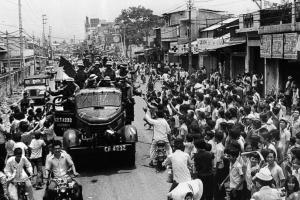
April 30 is the 40th anniversary of the end of the Vietnam War. The end of that war - a time of devastating defeat for the United States and relief for the Vietnamese - has been rebranded and offers a hint of what may come when our crash-and-burn policy in the Middle East ends. That war had a lasting impact on American foreign policy, culture, and national identity and draws attention to the lessons it offers for today and the many tomorrows to come.

poetry

Afghanistan: The Raped Girl

Alicia Ostriker Heart Journal Online
Ostriker's poem touches the heart of violence against women in a patriarchal culture.

After 13 Years U.S. Leaves Afghanistan A Dangerous Place

Deepak Tripathi CounterPunch
At the end of 2014, President Obama announced the "responsible conclusion" of the longest war in U.S. history, leaving behind an Afghanistan that everyone acknowledges is still a very "dangerous place." Despite more than 130,000 U.S. and NATO troops, the effort to eliminate the Taliban has ended in total failure. Year 2014 was the worst of America’s 13-year war, and a weak, divided, and vulnerable government in Kabul faces severe challenges in 2015.

New York Times Editorial: Prosecute Torturers and Their Bosses

The Editorial Board, New York Times The New York Times
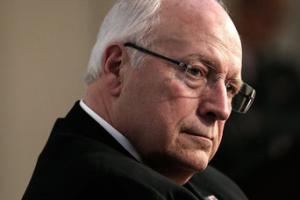
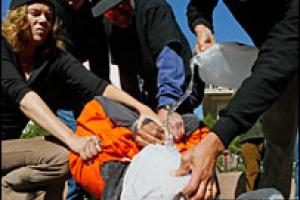
The New York Times editorial - in the paper of record - demanded that those responsible for the vicious torture policies be brought to trial. Any credible investigation should include former Vice President Dick Cheney; Mr. Cheney's chief of staff, David Addington; the former CIA director George Tenet; and John Yoo and Jay Bybee, the Office of Legal Counsel lawyers who drafted what became known as the torture memos. There are many more names that could be considered.

American Torture - Past, Present, and Future? - Beyond the Senate Torture Report

Rebecca Gordon TomDispatch
It came from the top and that's never been a secret. The president authorized the building of those CIA "black sites" and the use of what came to be known as "enhanced interrogation techniques" and has spoken of this with a certain pride. The president's top officials essentially put in an order at the Department of Justice for "legal" justifications that would, miraculously, transform those "techniques" into something other than torture. - Tom Engelhardt

Uncomplicated, in Afghanistan

By Kathy Kelly teleSUR
There are numerous, obvious solutions to problems in Afghanistan which NATO countries could consider, could even attempt if the alliance wasn’t there for the mineral wealth.

Afghan Opium Production Hits All-Time High

Mike Whitney CounterPunch
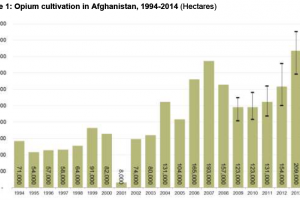
Is the US is really allowing an illicit multi-billion dollar industry to flourish right under its nose (without involvement of any kind) or is there a part of this story that’s missing from the headlines? Of course, that leads us to an area of speculation that the media considers taboo, the prospect that US intel agencies are somehow implicated.
Subscribe to Afghanistan