Tidbits - January 1, 2015 - New Year's edition
Portside
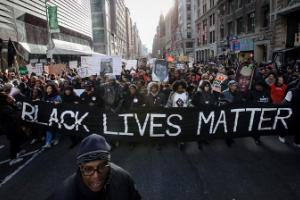
This new movement is being led by mostly young black women who won't allow us to forget that black women's lives matter. It is drawing in diverse crowds, including white allies who are not calling for gradual change, but a total end to white supremacy. The movement doesn't look or sound like anything our elders remember(or were taught) about the civil rights era. And that's OK. We have a new fight. We have to create a new model of resistance. Everyone has a role to play
Reader Comments - CIA Lied About Torture; A New Civil Rights Movement?; Grand Jury Injustice - Justice Demanded; Members of Congress (and staffers) join protest; Illegal Cop Murders; Police Reform? - Bolder Steps Needed; Low Wage Workers: 'We Can't Breathe'; Slavery, Founding Fathers and Torture; Congress Plots against Pensions; Pardon Snowden, Manning and Leonard Peltier; Israel Lobby and Ukraine; War on Terror; Israel, U.S. and space weapons; New Republic; Correction
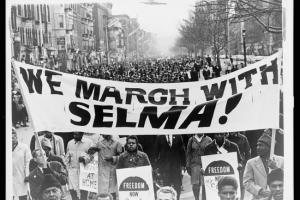
We find ourselves at a similar moment, fifty years after that critical turning point in civil rights movement history, with “Again?” on our lips and a familiar feeling of dread in response to the violence we witness on the video of the killing of Eric Garner, the incredible amount of force used on a man who announced over and over again, “I can’t breathe.” We need again vision and big thinking—a commitment to playing offense and addressing the problems at their roots.
Fifty years ago, Ella Baker said, "Until the killing of black men, black mothers' sons, becomes as important to the rest of the country as the killing of a white mother's sons, we who believe in freedom cannot rest." Michael Brown's murder by a Ferguson, Missouri, cop has, once again, provoked a national conversation about how far the United States has come in its quest for racial equality.
The South, where 55 percent of America's black population lives, is increasingly looking like a different country. Fewer children can read; more adults have HIV; its residents suffer from the shortest life expectancies of any in the United States. Six of the eleven states that made up the former Confederacy are at the bottom. That deprivation tends to be concentrated in the parts of these states with disproportionately large African American populations.(long article)
Spread the word