Did the Atomic Bomb End the Pacific War?
History News Network
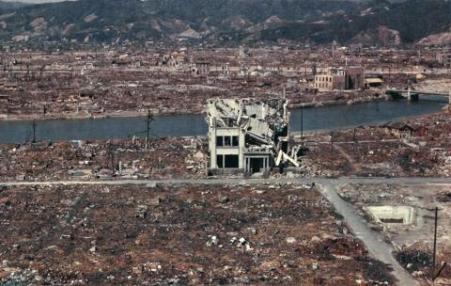
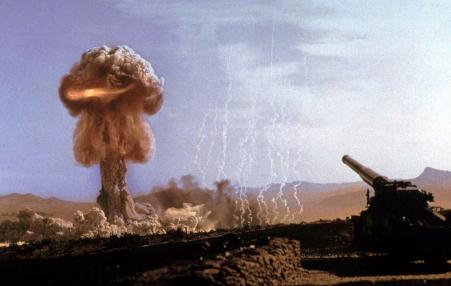
When the US entered the nuclear age, it did so recklessly. New research suggests that the hidden cost of developing nuclear weapons were far larger than previous estimates, with radioactive fallout responsible for 340,000 to 690,000 American deaths from 1951 to 1973. The nuclear bombs dropped by the U.S. on Hiroshima and Nagasaki resulted in 250,000 deaths. And now, Donald Trump is threatening to use nuclear weapons on the Korean peninsula.
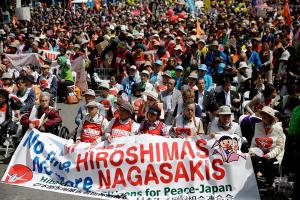
Listening to the testimonies of the aging A-bomb survivors (Hibakusha) and nuclear testing victims from the Marshall Islands and Australia, witnessing the emergence of new groups of in-vitro and 2 nd and 3 rd generation Hibakusha who are experiencing high levels of radiation-related health issues, one realizes with horror, that the 1945 atomic bombings are not a thing of the past, but an ongoing, still unfolding event.
Predictably, President Barack Obama did not use his historic visit to Hiroshima May 27 to apologize for the atomic bombing of Hiroshima and Nagasaki, and the hundreds of thousands of civilian deaths that resulted. But, he still can heed the “cry of the soul" of the remaining Hibakusha (survivors of Hiroshima and Nagasaki) and take meaningful steps to eliminate nuclear weapons, including canceling the $1 trillion, 30-year plan to upgrade U.S. nuclear weapons.
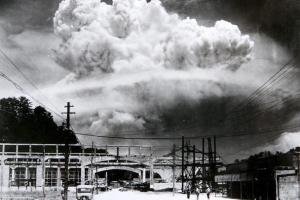
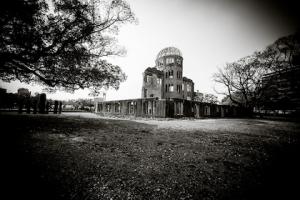
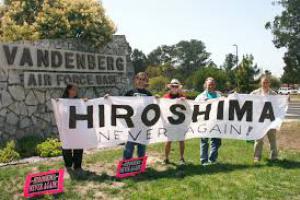
August 6 and 9 mark the 70th anniversary of the United States dropping atomic bombs on the Japanese cities of Hiroshima and Nagasaki. This mass destruction of civilians (not military targets, as President Truman alleged) has reverberated perversely across 7 decades, with the spread of nuclear weapons and the persistent pressure on Japan by the United States to abandon its post-war Peace Constitution.
Spread the word