Tech Workers Should Unionize
Gawker
While some communities are currently enjoying the fruits of the recovery, others have sunk further into poverty. According to the authors, this pattern of distress vs. prosperity not only “diverges between cities and states but even more starkly within cities at the neighborhood level." In the period of recovery following the Great Recession, the authors find, jobs in the median U.S. ZIP code grew at less than half the national rate.
To deal with our impoverished neighborhoods, it isn’t enough to get rid of the guns. The public squalor of our inner cities has to be addressed: schools modernized, affordable housing built, mass transit supplied, available jobs created. Gun control doesn’t cost much. Dealing with entrenched poverty costs real money, but less than we spend on the police, jails, drugs, alcoholism, and chronic illness — the dysfunction that comes from poverty.
Cops become instant media villains for decisions made in frenzied minutes or seconds. But the politicians and judges behind them spend months and years of calculation building walls to hide the same acts. Most of the time, they get away with it. Even in the most high-profile cases, justice is a marathon.
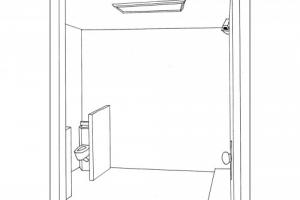
Like the people within, immigrant detention centers are often invisible as well. Photos and drawings of these places are rarely public; access is even more limited. Canada has three designated immigrant prisons, and it also rents beds in government-run prisons to house over one-third of its detainees. Undocumented: The Architecture of Migrant Detention begins to strip away at this invisibility.
Congress’s 1965 decision to limit immigration from Latin America and the Caribbean coincided with an increase in that immigration—largely, as a result of U.S. policies, including support for vicious dictatorships in many countries, the funding of civil wars in Central America, and the promotion of neoliberal economic programs throughout the region. The result is our current undocumented population of about 11.7 million, including some 8 million workers.
Spread the word