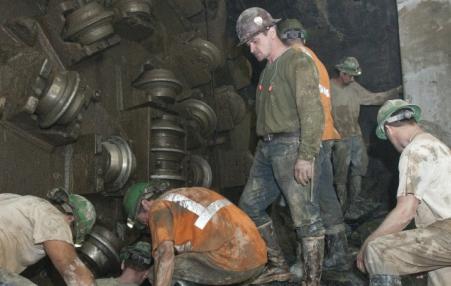
Subway Woes? Don't Blame Workers

Laura Gabby Labor Notes
The “Subway Scam” ads are the latest baloney from the Center for Union Facts, a corporate-backed nonprofit devoted to attacking unions. According to recent tax filings, its funders include hedge fund billionaire Robert Mercer, a major backer of the Trump presidential campaign and Breitbart News.
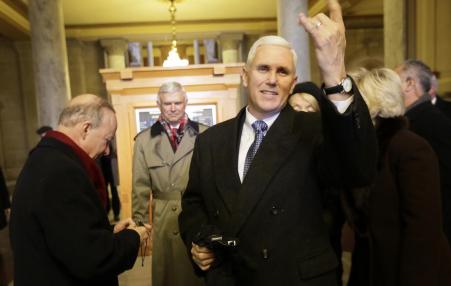

Trump's Infrastructure Plan Is Actually Pence's—And It's All About Privatization

Lydia O'Neal and David Sirota Newsweek
The companies’ management of the toll road drew criticism over everything from emergency management to toll increases. In September 2008, for instance, the state ordered a suspension of tolls so residents could evacuate a flood zone, and, as a result, the state had to pay the consortium nearly $450,000 in foregone revenue.

Trump and the Infrastructure of Fascism

Gerald Epstein Dollars & Sense
This event, then, tied, in a sinister but clear way, Trump’s infrastructure plan with the racist, anti-Semitic, and neo-fascist members of Trump’s base movement .

The Perils of P3s

Gabrielle Gurley The American Prospect
Public-private partnerships may indeed provide the dollars that fearful politicians are unable to pry from the pockets of their tax-averse constituents. But P3s, as they are known in the infrastructure sector, are more complex than they appear. The idea that P3s allow infrastructure to be built for free is economic snake oil, P3s do not end up saving taxpayers money, especially when policymakers obscure the true costs and the risks.

A Public Investment Agenda That Delivers the Goods For American Workers Needs to Be Long-Lived, Broad, and Subject to Democratic Oversight

Josh Bivens and Hunter Blair Economic Policy Institute
Promises that a free lunch can be had by relying heavily on private investors for infrastructure should be viewed skeptically. Tax credits dangled to entice private financiers and developers to provide infrastructure provide no compelling efficiency gains and mostly just open up possibilities for corruption and crony capitalism.

The Case for More Government and Higher Taxes

Eduardo Porter The New York Times
Four out of every five - or more - have said the government makes them feel either angry or frustrated. These frustrated Americans may not fully realize it, but there's a strong case for more government - not less - as the most promising way to improve the nation's standard of living. The American government pretty much stopped growing when the civil rights movement forced whites to share public space with African Americans, then Latinos, Asians and Native Americans.
Subscribe to infrastructure