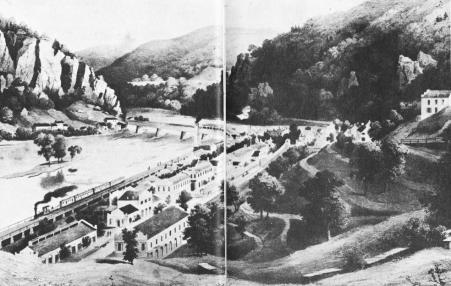
Harpers Ferry, a Bridge Too Far (1859), Lynch Mob Gets Served (1894), A Frame-Up Falls Apart 15 Years Too Late (1989), George Washington’s Indigenous ‘Enemies’ (1779), Civil Servants In the Crosshairs (2020), A Guilty Verdict Reversed by Trump (2014)
Reader Comments: Trump on Trial; Bombing Embassies You Are Not At War With; Ending Property Taxes; Alabama Communists in the Jim Crow South; Israeli Pavilion Remains Shut at Venice Biennale; Earth Week; John Brown Day; Nakba Days of Action; more;
Reader Comments: Supreme Court: Return to Separate and UnEqual; Child Labor; Remembering Pat Fry; Museums that Remember Slavery; Culture Wars Against Education Archive; Ending Climate and Nuclear Crises; lots of Announcements; Cartoons; more....
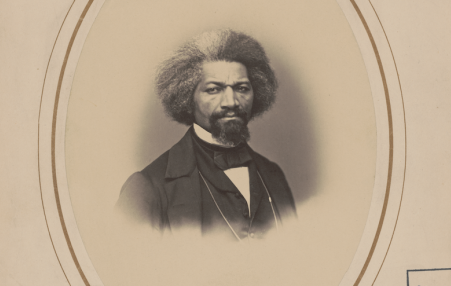
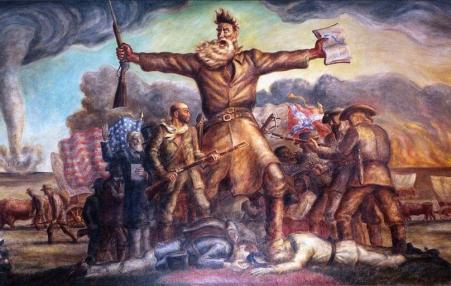
In an 1860 speech commemorating radical abolitionist John Brown's raid on Harper’s Ferry, Frederick Douglass argued that slavery would only end if the slave owner feared the violent retribution of the enslaved.
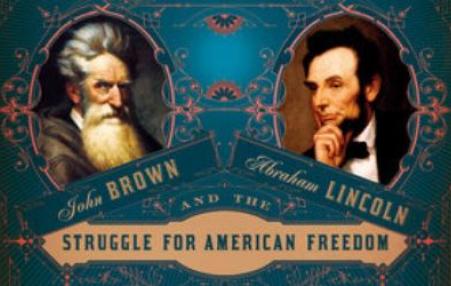
A leading historian of 19th century US history reviews two recent books on Lincoln and John Brown, charting the background to the Civil War and its lingering heritage today.
Mark Lause
Labor and Working-Class History Association
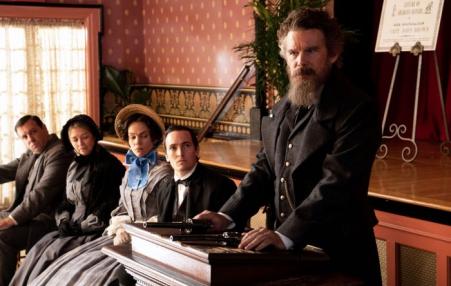
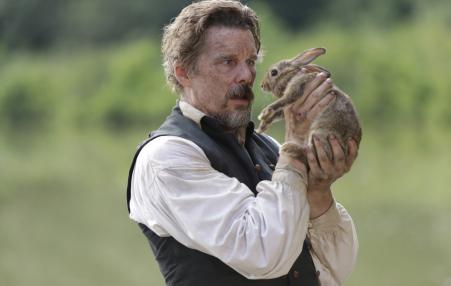
Reviewers have couched their discussion of The Good Lord Bird by pointing out its portrayal of history against the backdrop of ongoing protests about persistent racism.
The story is told through the eyes of a young, educated teenage slave (Joshua Caleb Johnson) who dresses like a girl at Brown’s request (for his own protection, supposedly) and is given the nickname “Onion.”
Spread the word