U.S. Labor Unions on the March in 2021 After Years of Decline
The Guardian
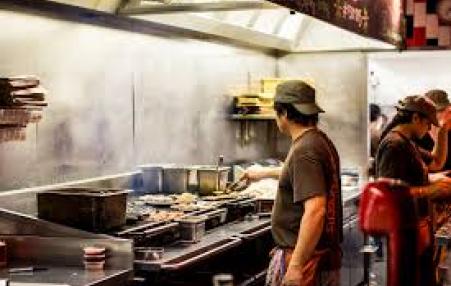
Fast food workers earn 1,200 times less than CEOs, the widest disparity of any U.S. economic sector. McDonald’s employees make about $8.25 per hour on average before taxes, and the corporation tacitly acknowledges it pays poverty wages. The company drew flak last year for a website that advised its employees to budget by spending nothing on keeping their homes warm, finding a place to live that costs less than $600 a month and spending $20 a month on health insurance.
The AFL–CIO is a multifaceted institution composed of scores of autonomous unions, so President Richard Trumka’s leadership can hardly turn around this cumbersome vessel all that quickly. But the new emphasis is clear: the unions should ally with progressive partners and devote more energy to make the kind of changes in social policy that can benefit millions of poorly paid and insecure workers.
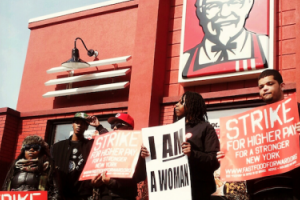
Out of sheer existential necessity, then, unions have entered a period of experimentation. The fast-food campaigns that SEIU is backing won’t plausibly conclude with a contract with McDonald’s and Wendy’s. The more likely scenario is that those protesting will try to win minimum-wage increases for workers—either generally or in particular industries—at the city level, either through the vote of city councils or of voters at the polls.
Spread the word