6 States Where Voters Could Push Democracy Forward in the Midterms
Yes! Magazine
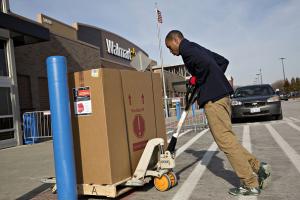
Retail work does not have to pay poverty wages. New study compares work in Europe and the U.S. For all the power of market forces, from automation taking over routine tasks to globalization squeezing retailers’ margins, there is nothing inevitable about low-quality retail jobs. Social norms and political institutions can make them better, or worse.
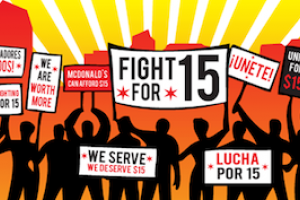
The changes come at a time when there's growing concern for hourly workers. Thousands of workers have staged protests to call attention to their financial struggles and to fight for hourly pay of $15. The November election of a Republican-controlled Congress dampened hopes of an increase in the $7.25-an-hour federal minimum wage. But advocates have continued to press for boosts on the state and local level.
It’s been almost a decade since the Great Recession, and America has witnessed a record 82 months of month-on-month jobs growth. The national unemployment rate now stands at a 4.3%, a 16-year low. But month after month, it is the low-wage sectors – fast food, retail, healthcare – that have added new jobs. Wage growth has barely kept pace with inflation. The national minimum wage ($7.25) was last raised in 2009.
“Taking away local control over wages (and a range of other
pro-worker, pro-environment, and pro-civil rights policies) has become
a major priority of ALEC, a corporate-backed group with extensive
lobbying resources and influence in our state legislatures,” according
to an National Employment Law Project statement. “ALEC drafts “model” minimum wage preemption
bills for conservative legislatures to simply copy and paste.”
Spread the word