Why the NCAA Should Pay Student-Athletes—And Let Them Unionize
In These Times
Well before Title IX was taken seriously, well before there were record ratings for women's sports on TV, before there was the dominance of the U.S. Olympic women's basketball team or the sold-out crowds at the NCAA Women's Final Four, there was Pat Summitt. She turned a women's sports team into a national brand in the 1980s and 1990s. And she did it not by playing by the old, demure, ladylike rules of women's sports, but by crashing the boys' sports party.
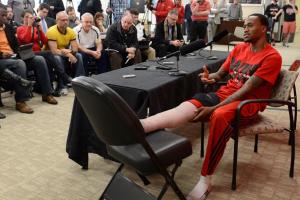
It takes an enormous amount of chutzpah for Fitzgerald to so strenuously oppose the efforts of his players to have a seat at the table when he is making $2.2 million per year and received a $2.5 million loan from the school upon signing his most recent contract. Yet Fitzgerald's stance is not only distasteful. It may be illegal.
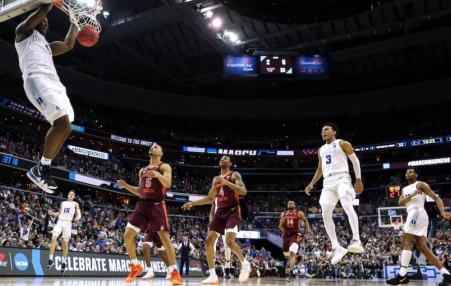
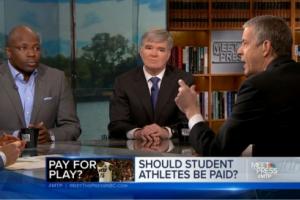
It is March Madness, after all, when the NCAA makes 90% of its billion-dollar budget. As the business of college football and basketball expands, and as more and more players find themselves used up and spit out with neither compensation nor education to show for their time, this is the moment to talk about the future of the so-called "student-athlete."
Fast Food Workers Stand Up on 45th Anniversary of Assassination of MLK;
Readers Comments on: 1963 March on Washington; BRICS; NCAA; Labor Law Loses Its Watchdog; Media Bits and Bytes; Reader Apprciation.
Rally for Immigration Reform - Jersey City - Apr 6; The Safety Net, Sequestration and Austerity Politics - NYC - Apr 8; US Prison Industrial Complex: A Labor Issue? - NYC - Apr 18; Dred Scott Heritage Foundation.
In Memoriam: Leo Robinson; Stephen Coats; Harry Kelber
Spread the word