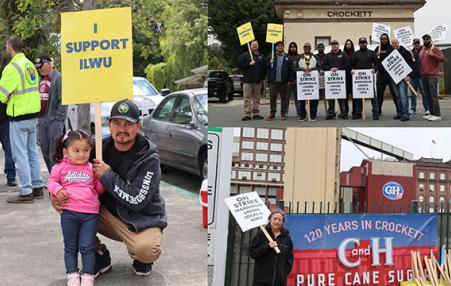
We want to keep our seniority, our overtime rights, and it’s important we keep the medical benefits. You put in all of these hours with the Company, and you think they would respect you. The Company doesn’t run without us. The workers make it happen.
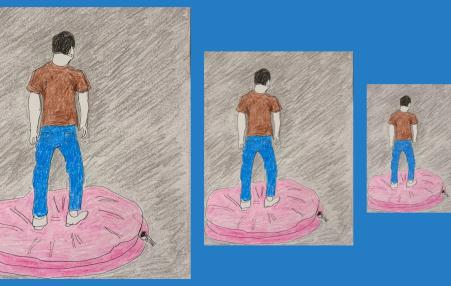
Many feminists urge a transition toward a dual-earner/dual-carer system in which women and men alike earn money and provide unpaid care for their families and communities. But is this possible in the current economic system?
The rule would have required employers to pay overtime premiums to salaried workers who earn less than $1,128 per week, or about $58,600 per year, when they work more than 40 hours in a week.
If the unionization vote passes, it’ll be a landmark win for more than one reason: It would create the largest video game industry union in the United States, and the first official U.S. union under Microsoft.
If you watch television, or films, you should think about who is making them and under what conditions. Eighteen-hour workdays, no lunch breaks. Car accidents caused by sleep deprivation. A crew member who returned to set the day after a miscarriage.
By excluding jobs held by black and brown workers from basic worker protections, the Fair Labor Standards Act, adopted decade ago during the New Deal, injected institutional racism into a federal wage and hour law.
The Washington Supreme Court is currently deliberating a case that could have major economic effects for our most vulnerable workers while beginning to unravel one long-standing piece of our nation’s white supremacist history.
Residential senior care homes profit handsomely by paying their workers poverty wages. The profit margins can be huge and, for violators of labor laws, hinge on the widespread exploitation of thousands of caretakers, many of them poor
Spread the word