Garment Workers Win $22 Billion in Historic Victory Against Wage Theft
Waging Nonviolence
Reader Comments: U.S. Asks Cambodia for Millions in War Debts - for U.S. Destruction of Their Country; Trump Administration, Russian Hacking, Danger of a New McCarthysim; Democratic Party - Which Way; Bernie Sanders: Most Popular Politician in Country; Gorsuch Supports Torture; Irish-American History - James Larkin; Martin Luther King and Vietnam - 50th Anniversary of Historic Speech; Incredible Resource List (with links) from Stansbury Forum; Announcements; and more...
Half a century after United States B-52 bombers dropped more than 500,000 tonnes of explosives on Cambodia's countryside Washington wants the country to repay a $US500 million ($662 million) war debt. The demand has prompted expressions of indignation and outrage from Cambodia's capital, Phnom Penh.
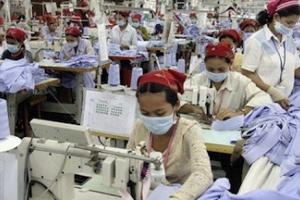
For global companies that have shifted production to Southeast Asia's low-cost manufacturing hub, greater cross-boarder labor coordination could mean less room for wage bargaining, a squeeze on profits and maybe even higher price tags on anything from shoes and clothing to cars and electronics appliances. But even as wages rise, labor activists are confident they aren't at risk of pricing themselves out of the market.
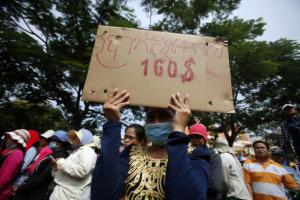
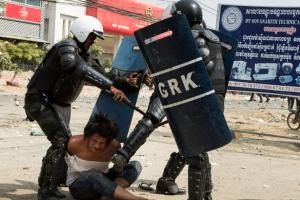
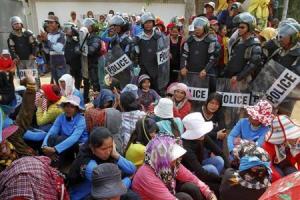
Three years ago, when the Cambodian minimum wage was $61 per month, 200,000 workers took to the streets to ask for a raise. It was the largest-ever strike in the garment sector, but, after just three days, it came to an anticlimactic halt due to police violence and threats against union leaders. Then the "neak ta" appeared. Mass faintings in factories spread throughout Cambodia, and employers' took notice.
Low-cost labor has attracted Western brands to the Southeast Asian country and garments now account for around 75 percent of its exports, but strikes over pay and working conditions have become common. Thousands of workers at Sabrina (Cambodia) Garment Manufacturing Corp went on strike for higher pay from May 21.
Spread the word