Hydrocarbons and the Illusion of Sustainability
Monthly Review
On both sides of the Atlantic, citizens are seizing upon trade agreements as a source of their woes. While this is an over-simplification, it is understandable. Today's trade agreements are negotiated in secret, with corporate interests well represented, but ordinary citizens or workers completely shut out. Not surprisingly, the results have been one-sided: workers' bargaining position has been weakened further, compounding the effects of legislation undermining unions.
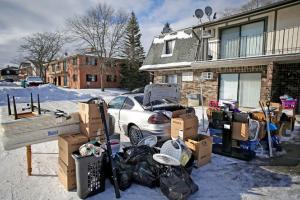
Matthew Desmond is an academic who teaches at Harvard - a sociologist or, you could say, an ethnographer. But I would like to claim him as a journalist, and one who has set a new standard for reporting on poverty. In Milwaukee, he moved into a trailer park and then to a rooming house on the -poverty-stricken North Side and diligently took notes on the lives of people who pay 70 to 80 percent of their incomes for homes that are unfit for human habitation.
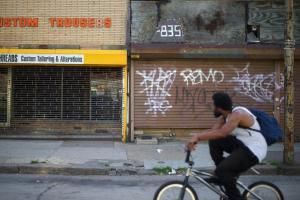
While some communities are currently enjoying the fruits of the recovery, others have sunk further into poverty. According to the authors, this pattern of distress vs. prosperity not only “diverges between cities and states but even more starkly within cities at the neighborhood level." In the period of recovery following the Great Recession, the authors find, jobs in the median U.S. ZIP code grew at less than half the national rate.
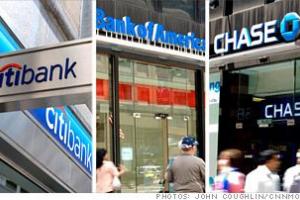
The Federal Reserve's newest bank president, a Republican who served as a top Treasury Department official during the financial crisis, called for policy makers to consider breaking up big banks to prevent future government bailouts. His proposals also include: Turning large banks into public utilities; and taxing leverage throughout the financial system. Seven years after the crisis, it is now time to move forward and end TBTF.
Detroit's bankruptcy wasn't inevitable. Neither is Chicago's. But the austerity hawks don't want you to know that...When cities and states borrow money by issuing bonds, the lenders are typically high-wealth individuals, who purchase the bonds to get a tax break. It is a perverse system through which, rather than paying their fair share in taxes, the wealthy are instead able to lend that money to us, charge us interest for it, and then claim a further tax break on it.
Even the most expensively educated - Lawyers, radiologists and software designers, among others - have seen their work evaporate to India or China. Tasks that would seem to require a distinctively human capacity for nuance are increasingly assigned to algorithms, like the ones currently being introduced to grade essays on college exams.
Spread the word