The Woman Who Stared at Wasps

Veronique Greenwood Quantum Magazine
Cooperative colonies — ants, termites, and some wasps and bees — have fascinated scientists for more than a century because they pose an evolutionary conundrum. Only a very small number of insects actually get to reproduce: the queens and their mates. The rest give up their chance to contribute to the gene pool, caring for the offspring of others instead. How did this lifestyle, known as eusociality, evolve?

That Stinky Cheese Is a Result of Evolutionary Overdrive

Carl Zimmer The New York Times
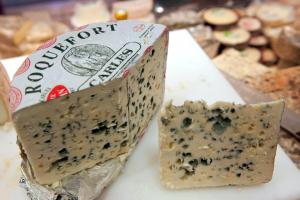
By comparing the genomes of different species of molds scientists have reconstructed their history. On Thursday, the scientists reported that cheese makers unwittingly have thrown their molds into evolutionary overdrive.They haven’t simply gained new genetic mutations to help them grow better in cheese. Over the past few centuries, these molds also have picked up large chunks of DNA from other species in order to thrive in their new culinary habitat.

Friday Nite Videos -- September 25, 2015

Portside
Donald Trump Has Nothing To Apologize For. John Oliver: Public Defenders. Brutally Honest NFL Theme Song with Bonnie McKee. Interview: From Freedom Fighter to President. 2-Million-Year-Old Fossils Reveal Hearing Abilities of Early Humans.

Friday Nite Videos -- September 11, 2015

Portside
Odetta: Long Ago, Far Away. How Many Trees Are There in the World? Mexican Donald Trump with George Lopez. New Human Species Discovered: Homo naledi. Bernie Sanders: Why 'Socialism' Isn't a Dirty Word.

New Human Species Discovered: Homo naledi

Homo naledi adds a new human relative that was primitive but shared physical characteristics with modern humans. The location of the fossil bones suggests that they were deliberately disposed of underground.

On World Dog Day, How Dogs Saved Humankind

Caren Cooper Plos Blogs
August 26 is World Dog Day, a good time to reflect on the very reasonable possibility that dogs enabled modern humans to outcompete Neanderthals, and also on the fact that dogs are smarter, more empathetic and more devious than you knew. These days, both ordinary dogs and their ordinary humans can participate in Citizen Science, advancing our understanding of this oldest human coevolution.

New Stone Tool Discoveries Predate Humans

Jacob Kastrenakes The Verge
Stone tools unearthed at a site in Kenya predate any identified human ancestors -- previously thought to be the first makers of stone tools -- by hundreds of thousands of years. These finds "will force us [to rethink] what makes us humans ... Increasing knowledge of our remote past is casting doubts on previous certainties and is showing that the process of becoming what we are now is far more gradual than what we previously thought."
Subscribe to Evolution