Celebrating MLK Day: Dream Defenders, Moral Mondays, and the Fight for 15

Clarence Lang Labor and Working-Class History Association
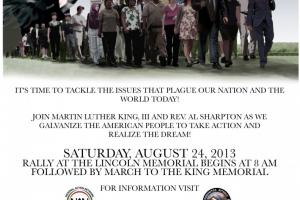
Thankfully, there is ample evidence of activists around the nation celebrating King’s legacy in ways that expose ongoing racial and economic inequalities. The Dream Defenders, the Moral Monday protests,and the Fight For 15 all exemplifiy King’s legacy.

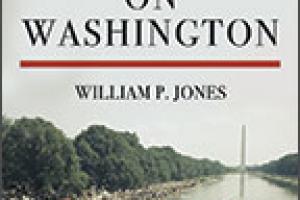
Remembering my time at the 1963 March on Washington

Clancy Sigal The Guardian
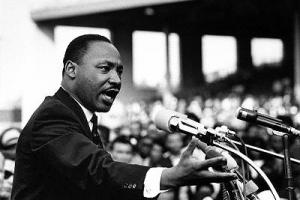
Everyone who marched has their own special memory. Although the event comes down to us mainly as the Rev Martin Luther King's "I have a dream" speech to the huge throng standing in the sweltering heat or sprawled cooling their toes in the Mall's reflecting pool, I remember it as one big picnic with everyone in their Sunday best and on their best manners firmly clasping hands in King's "beloved community". But it wasn't all kumbaya.

Full Employment: Demand of the Unfinished March

Isaiah J. Poole Our Future
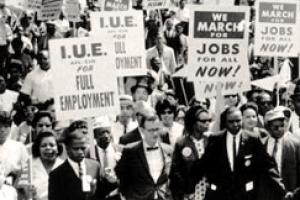
Incredibly, when King called for full employment in 1967, the national unemployment rate was under 4 percent. Flash forward to today: 56 consecutive months of unemployment above 7 percent, among African Americans above 13 percent, above 9 percent among Latinos. At our current rate of job creation, it would take another seven years to get the national unemployment rate down to 5 percent, where it was at the end of 2007.

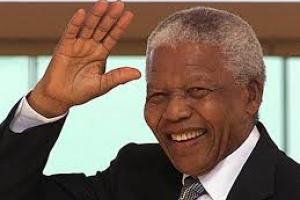
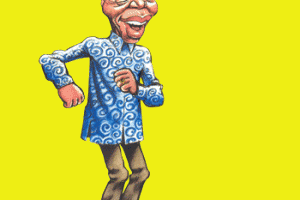
Tidbits - July 18, 2013 - Happy Birthday Nelson Mandela

Portside
Reader Comments - March on Washington; Even McDonald's Thinks Its Workers Need $15; NLRB, Chris Hedges and the Pequod; Labor & Obamacare; Greens and Fracking; Saving Underwater Homes at the Local Level; Low-Wage Workers; R.I.P. - Fred Hicks (Louisville); Henri Alleg - Journalist who revealed French torture in Algeria; Announcements: Pastor's Message to Cuba; Celebrate Nelson Mandela's Life - Berkeley - July 21; Confronting the Climate Crisis - San Francisco - Aug 2

What Dr. King didn't Say - Misremembering the March on Washington

Moshe Z. Marvit Washington Monthly
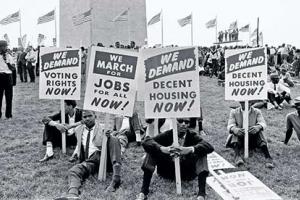
The March on Washington grew out of a clear understanding of the problems facing African Americans, and presented a discrete list of demands, including a comprehensive and effective civil rights law that would guarantee access to public accommodations, "decent housing, adequate and integrated education, and the right to vote." Also a "massive federal program to train and place all unemployed workers - Negro and white - on meaningful and dignified jobs at decent wages"

MLK's Forgotten Plan to End Gun Violence in Chicago

Simon E. Balto History News Network
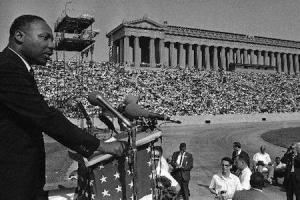
The calls for stricter gun control laws are not enough. Although the gun murder rate in some large cities is down, the causes of urban gun violence remain the real problem. At the June 1966 gang summit, Dr. King asked Chicago’s gangs to channel their energies into nonviolent protest of poverty and inequality. He tried to imprint upon the young men gathered at the Sheraton that violence was futile, and would likely get them nowhere but a grave or a prison cell.
Subscribe to Martin Luther King