
Despite Winning 19 Knesset Seats, Arabs Citizens Wonder if It’s Enough To Oust Netanyahu
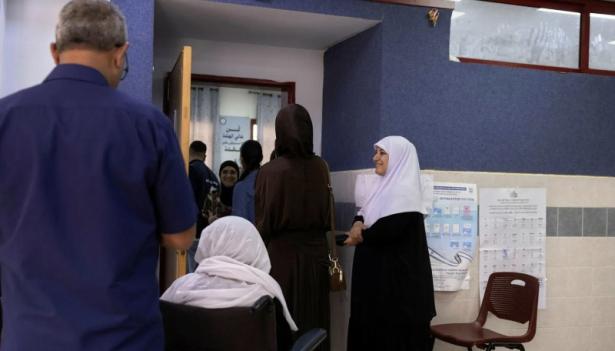
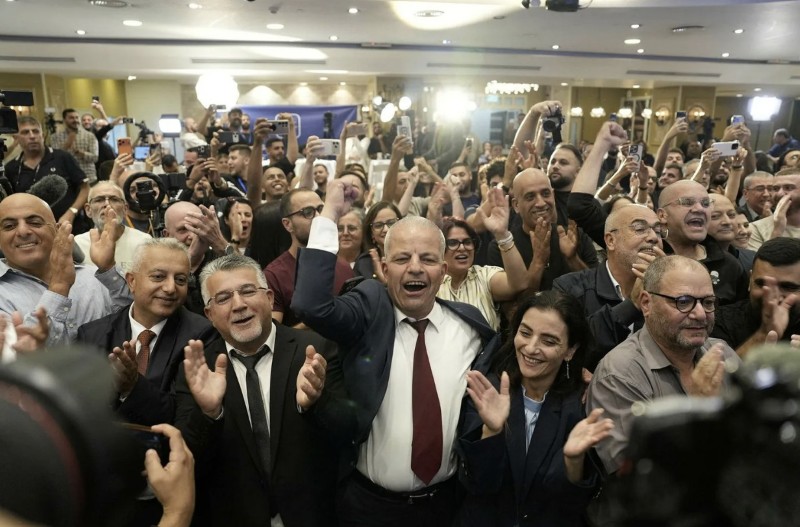
The day after the election, frustration and despondency prevail at the headquarters of the Joint List and the United Arab List. The excitement over the unprecedented achievement in Arab representation in the Knesset has faded, replaced by questions about what comes next.
Although Arab voters turned out in large numbers, raising the number of Arab lawmakers to 19 with more than 85 percent of votes counted, it remains unclear who will form the next government and whether the high turnout will be enough to unseat Prime Minister Benjamin Netanyahu.
Despite the high turnout among Arab voters and their increased representation in the Knesset, a sense remains in Arab society that the political achievement does not yet guarantee change.
Arab voters went to the polls hoping their votes would determine the election, but the prospect of an alternative government still depends on decisions and partnerships that have yet to materialize.
The question now is whether their electoral strength will translate into a move to replace the government or whether the historic achievement will end with the number of seats they won.

What will the parties do next?
The United Arab List, led by Mansour Abbas, which won seven seats, has yet to decide on its next steps. A decision will be made after the final results are published.
On Election Day, the party mounted an intensive campaign in the hope of gaining an eighth seat beyond the seven it had been projected to win, and expected its seat count to rise once the vote count was complete.
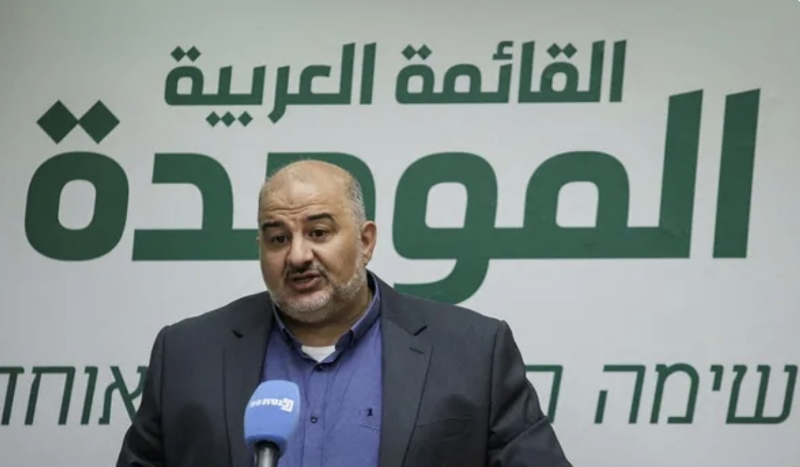
United Arab List
-
The Islamist Arab party focuses on improving living conditions, infrastructure and public services for Arab citizens of Israel. It broke a longstanding precedent in 2021 by joining the Bennett-Lapid government.
-
Head of Party: Mansour Abbas
-
No. of Seats in Current Knesset: 5
-
See the party's latest projection in Haaretz's poll tracker
-
Read more about the United Arab List
Abbas said in an interview with a-Shams Radio on Tuesday that he had received a message from someone in Likud, but did not elaborate on its contents. He stressed that his main demand was a change of government.
It remains unclear whether his remarks were intended to send a message to the Eisenkot bloc or also reflected a willingness to consider offers from Netanyahu's camp. For now, his party is keeping its options open. Abbas had previously spoken with Likud officials in 2020, as Israel was in the midst of an electoral deadlock
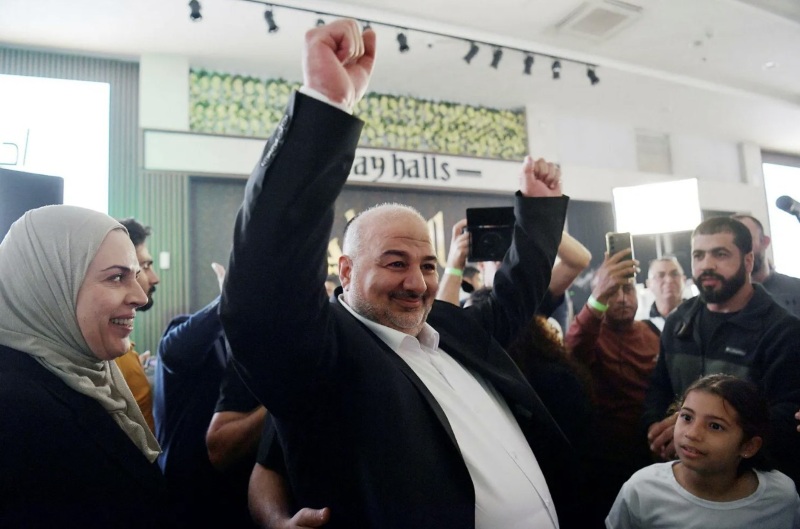
'If Arabs didn't vote, Netanyahu would be prime minister'
The Joint List, composed of three Arab-majority parties – Hadash, Ta'al and Balad – and which currently stands at 12 seats, has taken a firmer line. They have expressed readiness to help the Eisenkot bloc replace the government, including by cooperating to replace the Knesset speaker.
Ta'al chairman Ahmad Tibi told Haaretz that the benchmark achievement belonged not only to the list but, first and foremost, to the Arab public. The high turnout, he said, had turned Arab voters into a blocking bloc that prevented Netanyahu from securing 61 seats.
"Had Arab voters not turned out at the polls, Netanyahu would be heading a new government today," Tibi said.
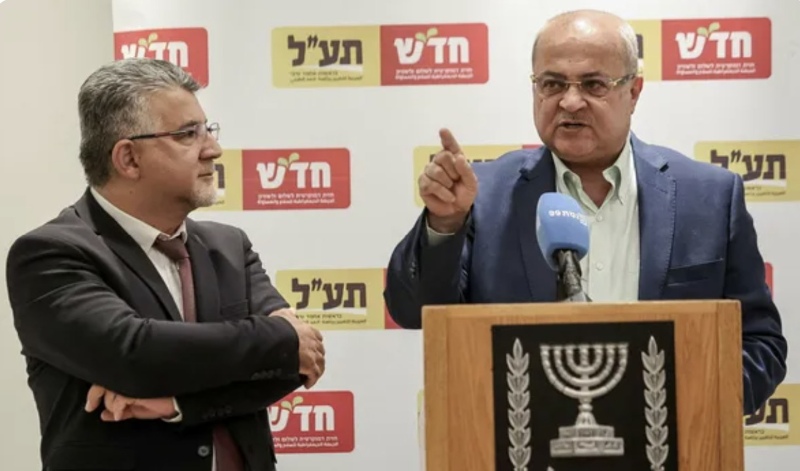
Joint List
-
Participated in the previous election as a joint slate of the Arab-Jewish Hadash party and Ahmad Tibi's Ta'al party. In June 2026, the Hadash, Ta'al and Palestinian nationalist Balad merged to form the Joint List. Balad, that did not pass the threshold in the last election, has consistently rejected participation in governing coalitions.
-
Head of Party: Yousef Jabareen (Hadash)
-
No. of Seats in Current Knesset: 5 (All Hadash-Ta'al)
-
See the party's latest projection in Haaretz's poll tracker
-
Read more on the Joint List
Tibi called on Yashar chairman Gadi Eisenkot, the head of the opposition's largest party as results stand, and his partners to decide whether they intend to replace the government.
The first step, he said, should be replacing Knesset Speaker Amir Ohana, followed by efforts to form a government led by Eisenkot. He said these were parliamentary moves that could pave the way for a change of government.
According to Tibi, the Joint List is prepared to "make room" and help form an alternative government, even if it is defined as a minority government. He rejected the conditions for political partnership that Eisenkot set out before the election, including designating Hamas as a terrorist organization, calling them "pre-election talk."
Tibi argued that the Joint List wields political power that cannot be ignored. He said the list was prepared to vote for the opposition's candidate for Knesset speaker, describing this as a strategic move intended to demonstrate a genuine commitment to forming an alternative government.
However, he said that recommending a candidate for prime minister was not the main issue at this stage.
On Wednesday, the chairman of the Joint List, Yousef Jabareen, said that his party is ready to help replace Prime Minister Benjamin Netanyahu, as the results of the election appeared to show no clear majority for either bloc without cooperating with his party or the United Arab List.
"Whoever wants to offer a substantive and real alternative to Netanyahu's government of bloodshed will have to speak with us to pave the way for the change the public in Israel yearns for," Jabareen said. "We are ready to pave the way for Netanyahu's ouster," he added.
"It's either continued racism and continued exclusion and continued supremacy – or a true Jewish-Arab partnership," Jabareen added.
Spread the word