She is her own manager, books her own tours, has never had a publicist. Her latest album features a song about communism in the style of Madonna’s “Vogue.” 'I felt like I don’t need to lure people in—I’m just going to call it ‘Un-American Activities’
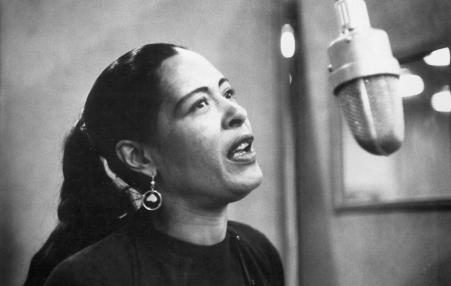
An NYU project examines the history of lynching's after the Civil War, including one in New York State. Billie Holiday sang a disturbing ballad called “Strange Fruit” for the first time in 1939, referred to lynching's in the South, and also the North
If This Be Treason (in 1774), War Is Such an Ugly Word (1919), U.S. Thumbs Nose at International Law (1984), International Women's Day! (1914), Joe McCarthy's Dam Cracks (1954), Whose Streets? Our Streets! (1969), Big Win for Miners' Health (1969)
When Communist writer Albert Maltz was blacklisted in the McCarthyist era, no commercial publisher in the U. S. would touch his novel A Tale of One January. A new edition slated for US distribution means his 70-year blacklist will finally end.
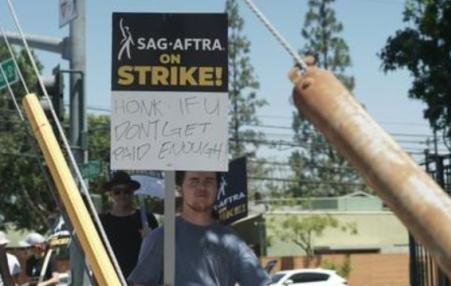
The American movie industry has been one of the most consistently unionized sectors of the economy since the 1930s — but to achieve that, workers had to overcome “the iron fist of the moguls” and organized crime, says historian Gerald Horne
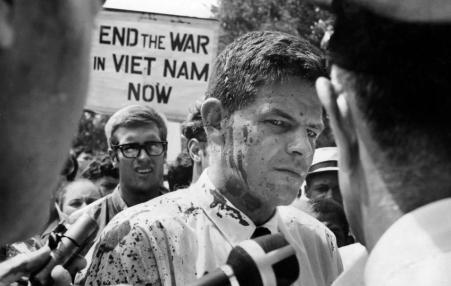
Staughton Lynd seemed like a personal force almost more than a person within the antiwar movement of the 1960s. My Country Is the World largely and usefully recounts the controversies that came with his rise in the peace movement of the middle 1960s
Being a leftist — or worse, a child of leftists — in the mid-20th century meant constant harassment from the FBI. From my childhood in the 1940s and ’50s through the upheavals of the ’60s, I only told them one thing: take a hike.
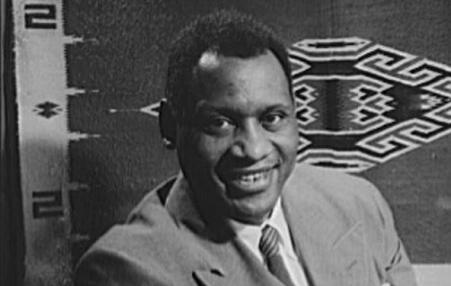
In the 1970s, Robeson’s admirers — boosted by the upsurge of black studies and black cultural projects, the waning of the Cold War — began to rehabilitate his reputation with various tributes, documentary films, books, concerts, exhibits, and a play
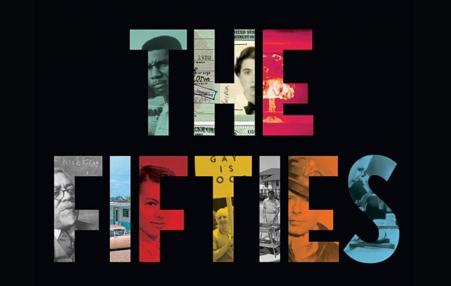
“The Fifties,” by James R. Gaines, a former managing editor of Time, People and Life, reminds us that a trip in time to much of America then would resemble “The Handmaid’s Tale” more than “Ozzie and Harriet.”
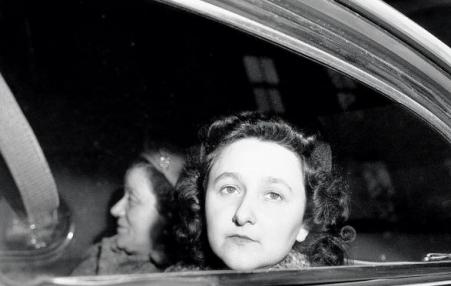
Ethel Rosenberg never abetted Soviet intelligence. Nor did Julius enable Russia’s atom bomb development. Yet in the overheated cold war and Korean intervention climate, they were singularly executed. The book under review details the graphic story.
Spread the word