Russian Propaganda Effort Helped Spread ‘Fake News’ During Election, Experts Say

Craig Timberg The Washington Post
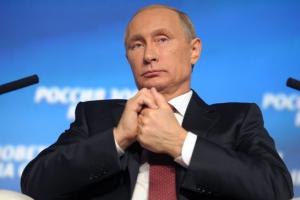
There is no way to know whether Russian 'fake news' efforts proved decisive in electing Trump, but researchers say it was part of a broadly effective strategy. The tactics included penetrating the computers of election officials and releasing troves of hacked emails that embarrassed Clinton in the final months of her campaign.
A New Cold War? - Gorbachev Calls for Peace: Is there a way forward?

Ellen Powell Christian Science Monitor
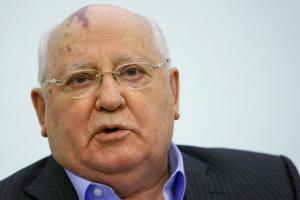
Mikhail Gorbachev, the last Soviet leader, called for peace and a de-escalation in tensions between the US and Russia. What is the future for dialogue between the two countries under current circumstances? Gorbachev spoke in Reykjavik on Monday, calling for increased dialogue between the US and Russia

Turkey is Now in Syria; What it Means for the Middle East - Two Views

Robert Fisk; Vijay Prashad
The Turks don't want a Kurdish mini-state on their frontier any more than the Syrians want to lose territory to the Kurds (and neither do the Iranians, nor do the Russians want a Kurdish state on their border). And, Turkey is warming up to Russia and Iran in a bid to exit before a total rout of its proxies in Syria. Here Robert Fisk and Vijay Prashad present two nuanced perspectives.

Military Coups, Turkey, NATO and Donald Trump

John Feffer; Rob Prince Foreign Policy in Focus
The attempted military coup in Turkey and the possibility of a President Trump may have more Americans considering the military option. It's tempting to conclude that the same folks who approve of a military intervention into politics support Donald Trump's intervention into politics. Trump is, in a way, a one-man coup. He is an outsider. He has contempt for the normal workings of democracy.

The Big Boom: Nukes and NATO - We May Be at a Greater Risk of Nuclear Catastrophe Than During the Cold War

Conn Hallinan Dispatches From the Edge
Astounding increases in the danger of nuclear weapons have paralleled provocative foreign policy decisions that needlessly incite tensions between Washington and Moscow. It's been 71 years since atomic bombs destroyed Hiroshima and Nagasaki, and humanity's memory of those events has dimmed. The bombs that obliterated those cities were tiny by today's standards.

The Desperate Plight of Petro-States - With a Busted Business Model, Oil Economies Head for the Unknown

Michael T. Klare TomDispatch
Petro-states are different from other countries because the fates of their governing institutions are so deeply woven into the boom-and-bust cycles of the international petroleum economy. Now, one thing is finally clear: the business model for these corporatized states is busted. The most basic assumption behind their operation -- that global oil demand will continue to outpace world petroleum supplies and ensure high prices into the foreseeable future -- no longer holds

tv

Homeland Withdrawal? This Series From Norway Is Your New Favorite Geopolitical Thriller

JACOB BROWN Vogue
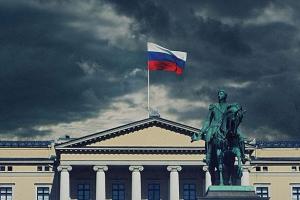
In a not-so-distant future, Norway has elected a radical branch of the Green Party, and its charismatic new prime minister shuts down the country’s supply of oil and gas to continental Europe. Despite an impending climate crisis, the EU is none too pleased with this overnight weaning from petrol, and invites Russia to offer Norway “technical assistance” in restoring its fossil fuel production. Russian gunships descend on Norway’s oil platforms.

Russians May Have a Strong Case in Turkish Shootdown

Charles J. Dunlap Jr. The Hill
While President Obama is certainly correct in saying that "Turkey, like every country, has a right to defend its territory and its airspace," exactly how it may do so is more complicated than the president implies. In fact, the Russians may have strong legal arguments that any such right under international law was wrongly asserted in this instance.
Subscribe to Russia