Tidbits - February 13, 2014
Portside
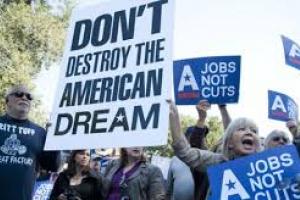
The AFL–CIO is a multifaceted institution composed of scores of autonomous unions, so President Richard Trumka’s leadership can hardly turn around this cumbersome vessel all that quickly. But the new emphasis is clear: the unions should ally with progressive partners and devote more energy to make the kind of changes in social policy that can benefit millions of poorly paid and insecure workers.
The growing group of OurWalmart workers across the country are demanding justice and a decent wage. They have given the giant retailer a Labor Day deadline to meet their demands or face intensified and widespread actions.
"Union struggles reflect on all jobs," said Jane Smith, 30, a data scientist from San Francisco. "Unions won the struggle for a 40-hour workweek, and we are all benefiting from that still. Unions also fight for higher wages, which translate to higher wages for all Americans." The BART strike is a symptom of "the income and wealth inequality that is plaguing our nation," she said. "I can't believe that people are missing the point."
Fast food workers strike in Seattle - 7th city in past 8 weeks. Workers say their wages are stagnant and want a living wage of $15, more opportunities to advance, and the right to organize without retaliation. "Personally I'm on food stamps, my hours have been cut back," Burger King worker Andrew Thomas said. "Being here for a year and half. I haven't gotten a raise."
The "deficit problem" is man-made. The deficit is now down 60 percent as a percent of gross domestic product. It is down more than the deficit hawks Alan Simpson and Erskine Bowles asked for. This rapid reduction is seriously hurting the economy and jobs, but demands for cuts continue. It is time for Congress and the President to "pivot" to focusing on our real problems: the jobs gap, the wage gap and the trade gap.
Spread the word